
Receiving dental treatment when you have hypertension can be a source of significant anxiety. You might wonder if it’s safe to sit in the dental chair, what specific precautions are necessary, and how your high blood pressure could complicate a simple filling or a necessary extraction. This is a common and entirely valid concern, especially given that hypertension is a pervasive chronic illness affecting more than 1.5 billion people globally and is a leading contributor to premature death worldwide.
The crucial truth is that your oral health is intrinsically and deeply linked to your overall systemic health. Managing your hypertension isn’t just about heart health; it’s a fundamental part of ensuring your dental care is both safe and effective. Many patients are initially surprised when their dentist or dental hygienist wraps a cuff around their arm to check their blood pressure, but this simple, quick step is one of the most important safety measures in modern dentistry. Dental procedures, the natural anxiety many feel, and even the local anesthetics used to prevent pain can all cause a temporary spike in blood pressure. For someone with pre-existing high BP, this spike can be risky.
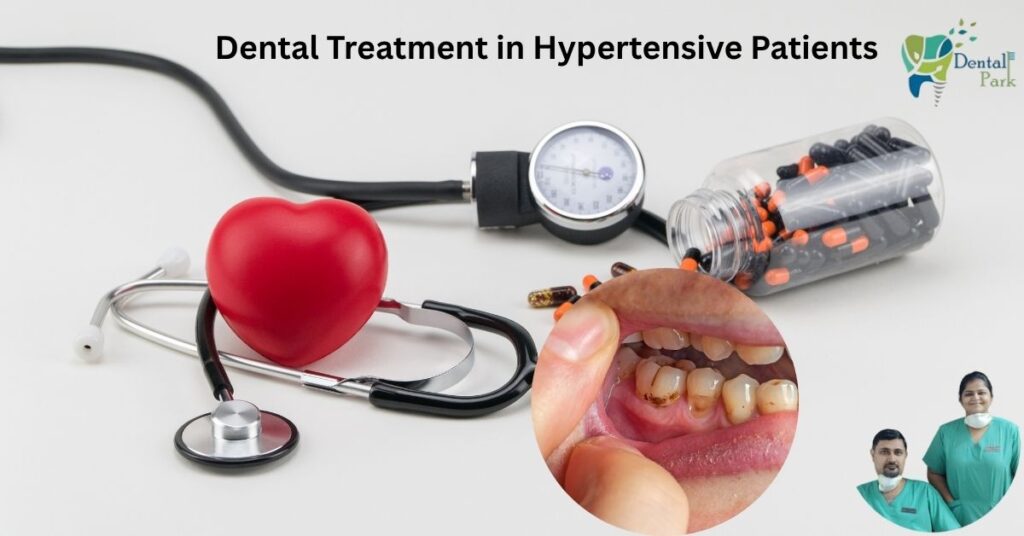
This article will serve as your definitive, in-depth guide to navigating dental treatment with hypertension. We will empower you with the knowledge to understand the vital connection between your blood pressure and oral health, the specific guidelines and protocols that dentists follow to ensure your safety, and the practical steps you can take to prepare for your appointment. By exploring expert opinions, established medical protocols, and real-world scenarios, you will be better equipped to partner with your dental team for the best possible, and safest, outcome.
Understanding Hypertension: The "Silent Killer" and Its Impact
Hypertension, the medical term for high blood pressure, is often called the “silent killer” for a chillingly simple reason: it typically presents with no obvious symptoms until significant damage has been done to the cardiovascular system. It is a chronic condition defined by the persistent high force of blood pushing against the artery walls. Over time, this constant pressure can damage arteries, leading to severe health problems such as heart disease, stroke, kidney failure, and vision loss.
Blood pressure is always recorded as two numbers, measured in millimeters of mercury (mmHg):
- Systolic Blood Pressure (the top number): This measures the pressure in your arteries when your heart beats and contracts, pumping blood out.
- Diastolic Blood Pressure (the bottom number): This measures the pressure in your arteries when your heart is at rest between beats.
What is a Normal Blood Pressure? Deconstructing the Numbers
The American Heart Association (AHA) and American College of Cardiology (ACC) updated their guidelines in 2017, redefining the categories of blood pressure. Understanding where you fall is the first step in management.
- Normal BP Range: Less than 120/80 mmHg. This is the ideal range for both men and women.
- Elevated: Systolic between 120–129 mmHg and diastolic less than 80 mmHg. People in this category are likely to develop hypertension unless steps are taken to control the condition.
- Hypertension Stage 1: Systolic between 130–139 mmHg or diastolic between 80–89 mmHg.
- Hypertension Stage 2: Systolic at least 140 mmHg or diastolic at least 90 mmHg.
- Hypertensive Crisis: Systolic over 180 mmHg and/or diastolic over 120 mmHg. This is a medical emergency that requires immediate attention.
While these are the general guidelines, what is considered a normal bp range for men versus a normal bp range for women can have subtle variations. Furthermore, the question of what is normal blood pressure by age is also relevant, as blood pressure can naturally increase slightly with age due to arteries becoming stiffer. However, the core diagnostic thresholds for hypertension remain consistent.
The Two-Way Street: How Oral Health and Hypertension are Linked
The connection between your mouth and your blood pressure is a bidirectional relationship.
- Poor Oral Health Can Worsen Hypertension: Growing evidence suggests a strong link between periodontal (gum) disease and high blood pressure. The theory is that chronic inflammation from gum disease can affect blood vessels throughout the body. Bacteria from infected gums can enter the bloodstream, triggering an inflammatory response that may contribute to atherosclerosis (hardening of the arteries) and increased blood pressure. One study found that individuals with moderate-to-severe gum disease were 22% more likely to have hypertension, and those with severe gum disease were 49% more likely.
- Hypertension and Its Medications Affect Oral Health: As we’ll explore in detail later, many of the medications prescribed to control high blood pressure (BP tablets) can have significant side effects on your oral cavity, such as dry mouth (xerostomia), which drastically increases the risk for tooth decay and gum infections.
This intricate link is why your dentist is a key player in your overall health management. Routine dental visits offer a valuable opportunity to screen for undiagnosed hypertension, monitor potential medication side effects, and provide care that supports both your oral and cardiovascular wellness.
Why Your Dentist Insists on Taking Your Blood Pressure
If you have a known history of hypertension, or even if you don’t, your dentist at Dental Park will almost certainly measure your blood pressure before beginning any procedure that requires anesthesia or is likely to cause stress. This is not a mere formality; it’s a critical safety protocol based on the well-understood physiological responses that occur during a dental visit.
Several factors inherent to the dental experience can cause a transient but significant rise in blood pressure:
- Patient Anxiety and “White Coat Hypertension”: For many, the dental office is a source of stress. This anxiety, sometimes called “white coat syndrome,” triggers the body’s “fight-or-flight” response, releasing stress hormones like adrenaline and cortisol. These hormones cause the heart to beat faster and blood vessels to constrict, leading to a rapid increase in blood pressure.
- Pain or Anticipation of Pain: The fear of pain, or the actual experience of it if anesthesia is not fully effective, is a powerful physiological stressor that can dramatically elevate blood pressure.
- Local Anesthetics with Vasoconstrictors: This is a key area of concern. Most local anesthetics used in dentistry (like lidocaine) are combined with a vasoconstrictor, most commonly epinephrine (a synthetic form of adrenaline).
- Why is it used? Epinephrine is incredibly useful. It constricts the blood vessels at the injection site, which keeps the anesthetic localized for a longer period, prolongs the numbing effect, and reduces bleeding during the procedure. It also reduces the amount of anesthetic that gets absorbed into the bloodstream, lowering the risk of systemic toxicity.
- What is the risk? For a patient with a healthy cardiovascular system, the small amount of epinephrine used is perfectly safe. However, in a patient with uncontrolled hypertension, injecting even a small amount of a vasoconstrictor can cause a dangerous spike in blood pressure and heart rate, potentially increasing the risk of a serious event like a stroke or heart attack.
For a patient whose blood pressure is already dangerously high, the combined effect of anxiety, potential pain, and epinephrine can push it into a crisis zone. This is why pre-procedural screening is non-negotiable for responsible dental care.
The Definitive Blood Pressure Guidelines for Safe Dental Treatment
Dentists and oral surgeons operate under strict, evidence-based guidelines to determine if a patient is fit for treatment. These protocols are designed to minimize risk and are often based on the American Society of Anesthesiologists (ASA) Physical Status Classification System.
Here is a more detailed breakdown of how a dentist will likely approach your treatment based on your BP reading in the office:
- Blood Pressure <140/90 mmHg (ASA Class I): Considered normal or well-controlled hypertension. Routine dental treatment can proceed without any special modifications.
- Blood Pressure 140–159 / 90–94 mmHg (ASA Class II): This indicates mild hypertension. Your dentist at Dental Park will likely re-check your blood pressure after you’ve had a few minutes to rest and relax. They will proceed with caution, often implementing a stress-reduction protocol. A consultation with your physician might be suggested, but routine care can typically continue.
- Blood Pressure 160–199 / 95–114 mmHg (ASA Class III): This is considered a more serious level of hypertension. Your dentist will re-check your blood pressure and will almost certainly require a medical consultation with your physician before performing any non-emergency dental treatment. The goal is to get your hypertension under better control with medication or lifestyle adjustments first. Only emergency treatment for acute infection or pain might be considered, and even then, with extreme caution.
- Blood Pressure >200 / >115 mmHg (ASA Class IV): This is a red flag indicating a potential hypertensive crisis. At this level, all elective and most emergency dental therapy must be postponed. Proceeding with any treatment carries a significant risk of a life-threatening cardiovascular event (stroke, myocardial infarction). The patient should be referred for immediate medical consultation and management, sometimes directly from the dental office.
Most dental authorities agree that elective dental procedures should be deferred in any patient with a blood pressure reading of 180/110 mmHg or greater. If your blood pressure is too high for a planned procedure like a tooth extraction or implant placement, your dentist will postpone the appointment and send a referral letter to your primary care physician. This is not a refusal of care; it is an act of professional responsibility to ensure your safety.
A Comprehensive Care Plan for Hypertension: Preparing for Your Dental Visit
Managing your hypertension for a safe dental visit is a collaborative effort. Open, honest communication between you, your dentist, and your physician is the most powerful tool you have.
Before Your Dental Appointment
Your preparation begins long before you sit in the dental chair.
- Complete and Updated Medical History: Be meticulous. Inform your dentist at Dental Park about your hypertension diagnosis. Provide a complete list of all medications you are taking—not just your BP tablets, but everything, including dosage and frequency. This includes prescriptions, over-the-counter drugs (like aspirin or ibuprofen), vitamins, and herbal supplements.
- Take Your Medications as Prescribed: This is critical. Do not skip a dose of your antihypertensive medication on the day of your appointment, thinking it might help. This can cause a rebound effect and dangerously high blood pressure. Take all your regular medications as directed by your doctor.
- Smart Scheduling: Book your appointment for a time of day when you feel least rushed or stressed. For many, a mid-morning appointment is ideal, as it avoids the morning rush and afternoon fatigue.
- Avoid Stimulants: On the day of your appointment, avoid stimulants like caffeine (coffee, tea, soda) and tobacco. These substances are known to temporarily elevate blood pressure and heart rate.
- Get a Good Night’s Sleep: Being well-rested can significantly reduce anxiety levels.
- Eat a Light Meal: Don’t go to your appointment on an empty stomach, as low blood sugar can increase stress and anxiety.
During Your Dental Appointment
- Communicate Your Anxiety: This is not a time to be stoic. If you feel nervous, tell your dentist and the dental staff. Dentists at Dental Park are trained to help. They can employ numerous stress-reduction techniques, such as the “tell-show-do” method (explaining every step), providing distractions (music or a screen), or simply taking breaks.
- Focus on Profound Anesthesia: The primary goal is to be completely numb to prevent any pain-induced stress. It is far safer to achieve profound numbness, even if it requires a carefully administered amount of local anesthetic with epinephrine, than it is for you to experience pain. Pain would cause your body to release a much larger, uncontrolled surge of its own adrenaline. A skilled dentist will use the minimal effective dose and limit the total amount of vasoconstrictor to a safe level (typically less than 0.04 mg of epinephrine for a cardiac-risk patient).
- Consider Sedation Options: For highly anxious patients, conscious sedation with nitrous oxide (“laughing gas”) can be an excellent option. It promotes relaxation and has minimal effect on blood pressure.
- Pay Attention to Chair Positioning: Patients taking certain hypertension medications can be prone to postural hypotension (a sudden drop in blood pressure upon standing up). Your dentist will raise the chair back slowly and have you sit upright for a few minutes before you stand up to prevent dizziness or fainting.
Oral Health Side Effects of Hypertension Medications: What to Watch For
While hypertension treatment with BP tablets is life-saving, it’s important to be aware of the potential oral side effects associated with different classes of these drugs.
- Diuretics (e.g., Hydrochlorothiazide): The most common side effect is Xerostomia (Dry Mouth). Saliva is your mouth’s natural defense system; without enough of it, your risk for cavities, fungal infections (like oral thrush), and gum disease skyrockets.
- Management: Sip water throughout the day, chew sugar-free gum or suck on sugar-free lozenges to stimulate saliva flow, use an over-the-counter saliva substitute, and practice impeccable oral hygiene.
- Calcium Channel Blockers (e.g., Nifedipine, Amlodipine, Verapamil): These are notorious for causing Gingival Overgrowth or enlargement. The gum tissue can become swollen, firm, and grow over the teeth. This not only looks unpleasant but also creates deep pockets that are impossible to clean, trapping bacteria and leading to severe gingivitis or periodontitis.
- Management: Meticulous, rigorous oral hygiene is a must. Professional cleanings every 3-4 months may be necessary. In severe cases, a surgical procedure called a gingivectomy may be required to remove the excess tissue.
- ACE Inhibitors (e.g., Lisinopril, Enalapril): These can cause a persistent dry cough, but also oral symptoms like Taste Alterations (Dysgeusia), often described as a metallic or altered taste. A rare but potentially life-threatening side effect is Angioedema, a rapid swelling of the deep layers of skin, often affecting the lips, tongue, and throat.
- Beta-Blockers (e.g., Propranolol, Metoprolol): These can sometimes cause oral reactions that look like lichen planus (lichenoid reactions), presenting as white, lacy patterns or sores on the inside of the cheeks or gums. Non-selective beta-blockers (like Propranolol) can also interact with the epinephrine in local anesthetics, potentially causing a spike in blood pressure. It is vital your dentist knows if you are on this specific type of medication.
Frequently Asked Questions (FAQs) About Dental Care and Hypertension
Is dental treatment completely unsafe with high blood pressure?
No, it is not inherently unsafe, but it requires careful management and risk assessment. For the vast majority of patients with controlled hypertension (BP below 160/100 mmHg), routine dental care can be performed with minimal risk. The key is a partnership between you, your doctor, and your dentist to ensure your hypertension is well-managed before your visit.
Will my dentist refuse to see me if my BP is high?
A dentist will not “refuse” care but may “postpone” elective procedures for your own safety. This act demonstrates a high standard of care. They will refer you to a physician to address the immediate health risk posed by your severely elevated blood pressure before rescheduling.
What happens if my blood pressure is too high for a tooth extraction?
If your blood pressure exceeds the safe limit (often 180/110 mmHg), the extraction will be postponed. Undergoing surgery like an extraction with uncontrolled hypertension significantly increases the risks of excessive bleeding and a potential stroke or heart attack. Safety must come first.
Is the blood pressure reading from an automatic machine in a dental office reliable?
Yes, the automated oscillometric devices used in professional settings are generally reliable and validated for clinical screening. If a reading is high, standard practice is to let the patient rest quietly for 5-10 minutes and then re-take the measurement to ensure it wasn’t just a temporary spike from rushing or initial anxiety.
How does hypertension affect getting dental implants?
Hypertension can affect implant success. Uncontrolled high blood pressure is a relative contraindication for surgery. It can increase surgical bleeding and compromise healing. Your oral surgeon will require your blood pressure to be well-controlled before proceeding with implant placement to ensure the best possible outcome.
Can I get cashless dental treatment for my Care?
This depends on your location and insurance. At specialized centers like Dental Park – Dental & Maxillofacial Centre in Ghaziabad, patients may have access to cashless dental treatment. Dental Park Ghaziabad offers services under various government and private schemes, including CGHS, CAPF, and the Pandit Deen Dayal Rajya Karamchari Cashless Treatment for Uttar Pradesh Government Employees. These schemes can be invaluable for patients managing chronic conditions like hypertension, facilitating access to necessary and safe dental care. The team at Dental Park is experienced in managing medically complex patients.
Conclusion: Your Health is a Partnership
Navigating the world of dental care while managing hypertension is entirely achievable with a proactive, informed approach. The most critical takeaway is that your safety is the absolute top priority for your dental team. Measuring your blood pressure is not an inconvenience; it is a fundamental standard of care designed to protect you from harm.
Remember these key strategies for a safe and successful experience:
- Communicate: Always inform your dentist about your hypertension diagnosis, all medications, and any anxieties you may have.
- Collaborate: Work closely with your physician to ensure your blood pressure is well-controlled through medication and lifestyle choices as part of your hypertension self care.
- Comply: Follow your pre-appointment instructions and take your medications as directed.
- Be Proactive: Maintain excellent oral hygiene at home to mitigate the oral side effects of medications and reduce your overall health risks.
Your dentist and your physician are your partners in well-being. By fostering open communication and working together, you can ensure that you receive the dental treatment you need safely and effectively, protecting both your beautiful smile and your precious heart.