Introduction: Why You Need to Understand Anorganic Bovine Bone Matrix
Have you been told you need bone grafting for a dental implant, or are you looking for a solution to bone loss in your teeth? If so, one term you’re almost certain to encounter is the anorganic bovine bone matrix.
In this ultimate guide, you’ll learn:
- What is anorganic bovine bone matrix and why is it the gold standard in grafting?
- How it’s used at top clinics like Dental Park Ghaziabad—a trusted Dental & Maxillofacial Centre.
- Detailed comparisons with other bone graft types, including synthetic bone grafts.
- Insights from oral surgeons, periodontists, and endodontists.
- Real patient case studies, costs, and insurance options like Cashless Dental Treatment available in Dental Park.
- Pros, cons, FAQs, and much more!
Whether you are a patient or a curious reader, this article will take you through every aspect of the anorganic bovine bone matrix and bone grafting in Ghaziabad. Let’s begin.
Anorganic Bovine Bone Matrix: The Bedrock of Modern Dental Grafting
What is Anorganic Bovine Bone Matrix?
The anorganic bovine bone matrix is a biocompatible and osteoconductive material derived from the processed bones of cows (bovine). Here’s how it stands apart:
- All organic elements are carefully stripped using high-tech purification, leaving a mineral scaffold.
- This bone graft material mimics the structure of human bone, providing an ideal “lattice” for your own bone cells to grow.
- Used worldwide for dental bone grafts, bone tooth, periodontal bone graft, alveolar bone graft, and packing defects in bone surgery.
Science Behind the Material
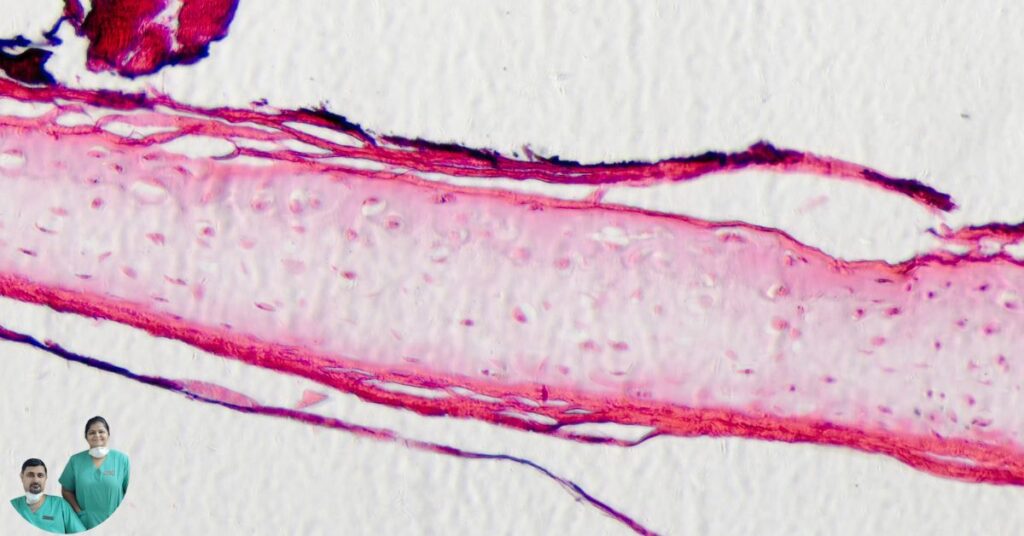
The primary reason the anorganic bovine bone matrix is such a reliable choice is its ultra-porous structure, high safety, and osteoconductivity—meaning it acts as a scaffold where your body’s own bone-forming cells (osteoblasts) naturally attach, multiply, and create new bone.
- Bio oss bone graft is a commercially popular product in this category, renowned for consistency and safety.
- It resists rapid resorption, so it maintains space and height for the new bone fix over several months—especially crucial in bone graft for dental implant cases.
Where is Anorganic Bovine Bone Matrix Used?
1. Dental Implants: Immediate and Delayed Grafting
For successful bone implant placement, you need robust bone. Tooth losses, trauma, or gum disease can leave you with insufficient jawbone, making implants unfeasible.
Bone grafting with anorganic bovine bone matrix provides a strong, stable base for titanium implant posts, ensuring longevity and reduced risk of failure.
2. Ridge Augmentation & Socket Preservation
After tooth extraction, bone shrinks rapidly—often up to 25% in just the first year. Using graft surgery (like alveolar bone graft with anorganic bovine bone matrix) fills the extraction socket, keeping the jawline natural for future implants or dentures.
3. Sinus Lifts
In the upper jaw, sinus cavities can limit the vertical bone height for implants. A sinus lift uses anorganic bovine bone matrix to create a new “floor,” so implants anchor securely.
4. Periodontal Bone Graft and Treatment for Bone Loss in Teeth
Periodontists and oral surgeons rely on this matrix for regenerating lost bone due to gum disease, halting tooth mobility, and improving oral health outcomes.
5. Trauma, Cysts, and Tumor Defects
Post-injury, surgery, or infection, significant bone voids may develop. Here, bone transplant with anorganic bovine bone matrix is used in combination with membranes for guided bone regeneration.
Types of Bone Graft Materials Compared
Dental Park Ghaziabad uses evidence-based protocols to select grafts tailored to each patient’s needs:
Graft Type | Source | Examples / Brands | Pros | Cons |
Anorganic bovine bone matrix | Cows | Bio Oss, Cerabone | Best for dental applications, slow resorption, high safety | Animal-based source, cultural restrictions |
Autogenous | Self | Hip, jaw | Gold standard, osteogenic | Additional surgery, higher discomfort |
Allograft | Human donors | Demineralized Freeze Dried | Readily available, osteoconductive | Slight infection risk, possible resorption |
Synthetic bone graft | Man-made | Hydroxyapatite, TCP | Unlimited supply, customizable, no disease risk | Sometimes slower integration, may not mimic bone fully |
Alloplast | Non-biological | Glass ionomer, polymers | Immediate availability, biocompatible | Limited capacity for bone regeneration |
The anorganic bovine bone matrix stands out for procedures like bone grafting in ghaziabad where both safety and effectiveness are top priorities.
How Dental Park Ghaziabad Excels in Bone Grafting
Dental Park - Dental & Maxillofacial Centre Overview
Located centrally, Dental Park Ghaziabad is a modern, internationally accredited center providing advanced dental and jaw surgeries. Here’s what sets it apart:
- Multi-disciplinary team—Oral Surgeons for Bone grafting, Endodontists for Bone grafting, and Periodontists for Bone grafting.
- Cashless Dental Treatment available in Dental Park under multiple schemes:
- CGHS (Central Government Health Scheme)
- CAPF (Central Armed Police Forces)
- Pandit Deen Dayal Rajya Karamchari Cashless Treatment for Uttar Pradesh Government Employees
- ISO and NABH certifications for transparency and patient safety.
Step-by-Step: The Bone Grafting Journey at Dental Park
- Comprehensive Diagnosis: Digital scans, 3D imaging, and consults.
- Treatment Planning: Personalized plans incorporating the ideal bone graft material.
- Grafting Procedure: Local anesthesia, aseptic technique, and precise placement of the anorganic bovine bone matrix or combined materials.
- Follow-up & Recovery: Regular check-ups, digital monitoring, and guidance for home care.
- Implant Placement (if required): After the graft integrates and new bone forms.
Expert Team & Their Roles
- Oral Surgeon for Bone grafting: Handles complex jaw repairs, sinus lifts, trauma, and tumor-related defects requiring large bone operation.
- Endodontist for Bone grafting: Manages teeth surrounded by apical bone defects, often co-existing with root canal issues.
- Periodontist for Bone grafting: Specializes in restoring bone lost to chronic gum disease, aiding “bone-to-bone” healing near teeth.
Dental Park’s experienced staff ensure every bone graft, whether for implants, sinus lifts, or ridge augmentations, uses the latest protocols for success and safety.
Case Studies from Dental Park Ghaziabad
Case 1: Large Alveolar Bone Defect
A 50-year-old with advanced bone loss after multiple extractions presented to Dental Park. Using a blend of anorganic bovine bone matrix and synthetic bone graft, the team restored ridge height, enabling future implant placement. The site maintained both vertical and horizontal dimensions, showing exemplary osteoconductive healing at 6 months.
Case 2: Sinus Lift for Multiple Implants
Patient aged 72 years needed upper jaw implants. Due to sinus proximity, a bone graft surgery using anorganic bovine bone matrix was combined with alloplastic material. After 8 months, solid bone formed, allowing successful implant placement and full-chewing restoration.
Case 3: Bone Grafting for Tooth Trauma
A young athlete lost a front tooth in a bike accident, with severe bone loss. After discussion with periodontist for bone grafting, a dental bone graft material based on anorganic bovine bone matrix was used. Not only did the area heal, but the new bone matched natural color and density.
How Much Does a Dental Bone Graft Cost in India—and in Ghaziabad?
- Dental bone graft cost can range from ₹1,500 to ₹45,000 per site, depending on the bone graft material, defect, and expertise required.
- Factors affecting bone grafting price in India:
- Type of graft (bio oss bone graft, autogenous, synthetic)
- Clinic reputation—like Dental Park Ghaziabad
- Extent of surgery and anesthesia used
- Post-operative care needs
- At Dental Park Ghaziabad, transparent pricing and cashless dental treatment under schemes like CGHS and CAPF help minimize out-pocket expense for eligible patients.
- Special “employee” packages for Uttar Pradesh Government staff (Pandit Deen Dayal Yojana).
Frequently Asked Questions About Bone Grafts in Dentistry
What is a Bone Graft?
A bone graft is a surgical procedure where new bone or a bone substitute is placed into areas needing additional bone. In dentistry, this often means rebuilding jawbone that has been lost due to tooth extractions, gum disease, or trauma. The goal is to provide enough healthy bone to support dental implants or preserve facial structure.
Will Bone Grow Back After a Bone Graft?
Yes, when a bone graft is used, it acts as a scaffold, allowing the body’s own bone cells to grow and regenerate around and within the graft material. Over several months, new bone forms and gradually replaces the graft material, restoring volume and strength.
What is a Graft in Surgery?
In surgery, a graft refers to any tissue (such as bone, skin, or blood vessels) that is transplanted from one part of the body (or from a donor or artificial source) to another place where it is needed for healing or reconstruction.
Can Bone Regenerate After a Graft?
Yes. The purpose of a bone graft is to stimulate the body’s natural ability to regenerate bone. The graft provides a framework for the growth of new bone cells, which eventually replace the graft material with the patient’s own bone.
What is a Bone Graft for Teeth?
A bone graft for teeth is a specific type of graft placed in areas of the jaw where bone has been lost or is insufficient—often after tooth extraction or gum disease. This rebuilds the foundation needed for healthy teeth and potential dental implants.
What is a Bone Graft in Dentistry?
In dentistry, a bone graft restores lost or deficient jawbone. It can be used to support dental implants, stabilize dentures, fix defects from trauma, or regenerate bone lost to periodontal disease.
What is a Dental Bone Graft?
A dental bone graft involves adding bone or bone-like materials to the jaw to increase the height, width, or density of bone in preparation for restorative or implant procedures.
What is Bone Graft Surgery?
Bone graft surgery is an outpatient procedure, typically performed under local anesthesia at a dental or maxillofacial clinic. The dentist or oral surgeon places graft material—such as anorganic bovine bone matrix—into the targeted site, then protects it while new bone growth occurs.
How Long Does It Take a Bone Graft to Fuse?
Fusion (or integration) depends on the size and type of graft, patient health, and location:
- Small grafts: 3 to 6 months
- Larger grafts or complex sites: 6 to 12 months
Regular follow-up visits and imaging help monitor progress.
How Much Is a Dental Bone Graft?
The cost of a dental bone graft in India varies by material and complexity, typically ranging from ₹1,500 to ₹45,000 per site. Costs may be partially or fully covered by Cashless Dental Treatment available in Dental Park under government health schemes.
Is Synthetic Bone Graft Safe?
Yes, synthetic bone grafts made from biocompatible materials such as hydroxyapatite or tricalcium phosphate are widely used and considered safe. They eliminate risks of disease transmission and are a good alternative for patients with dietary or religious restrictions.
Do You Need a Bone Graft for a Bridge?
Not always. Bone grafting may be necessary before placing a dental bridge if there has been significant bone loss, to ensure the bridge has adequate support and to preserve gum and bone shape.
How Much Is a Tooth Bone Graft?
The cost for a tooth bone graft (single site) can range from ₹1,500 to ₹15,000 for basic cases, with higher costs for complex reconstructive procedures or the use of specialized materials like anorganic bovine bone matrix.
What Material Is Used for Dental Bone Grafts?
Dental bone grafts utilize several options:
- Anorganic bovine bone matrix (from cow bone, thoroughly purified and safe)
- Autogenous bone (from the patient’s own body)
- Allograft (from human donors)
- Synthetic bone grafts (lab-made)
- Combination grafts (mix of materials) The choice depends on clinical need and patient preference.
Is Bovine Bone Graft Safe?
Yes. Bovine bone grafts are carefully processed to remove all organic material, leaving a sterile, mineral-only matrix. This makes them highly biocompatible and osteoconductive, with an excellent safety record for dental use.
What Happens When a Dental Bone Graft Fails?
If a bone graft fails, symptoms may include pain, swelling, infection, or lack of integration on X-ray. The dentist may remove the failed graft, address any infection, and plan for another attempt once healing occurs. Failures are rare when procedures are conducted by experienced surgeons under proper protocols.
Where Does the Bone Graft Come From for Dental Implants?
For dental implants, bone grafts can come from:
- Anorganic bovine bone matrix (purified cow bone)
- The patient’s own bone (often from the jaw, hip, or tibia)
- Human donor bone (allografts)
- Synthetic bone graft materials (lab-made substitutes) The selection is personalized based on patient evaluation, medical history, and the preferences of both patient and treating specialist.
What are the pros and cons of anorganic bovine bone matrix?
Pros
- High biocompatibility and osteoconductivity
- No secondary donor site needed
- Widely available (bio oss bone graft as a top brand)
- Long-term dimensional stability in most patients
- Suitable for those unwilling to undergo donor-site surgery
Cons
- Sourced from animals (may conflict with some dietary or religious beliefs)
- Lacks “osteoinductive” properties (won’t stimulate new bone independently)
- Integration may take slightly longer than with autogenous bone (body’s own bone)
Who performs bone grafting in Ghaziabad?
- Dr. Aakash Arora at Dental Park Ghaziabad have more than 18 years of specialized training in graft and bone fix operations.
Future of Bone Grafting: Synthetic Bone Grafts and Tech Advancements
Research continues into synthetic bone grafts, genetic bioengineering, and nano-structured scaffolds to make bone grafts safer, faster, and more personalized. Yet, as of today, anorganic bovine bone matrix remains the best-tested option, with the highest predictability in bone graft surgery for teeth.
Emerging 3D printing tech is also paving the way for custom-fit bone grafts—keep watching Dental Park’s updates for cutting-edge care.
Summary Table: Dental Bone Grafting Options at Dental Park Ghaziabad
Procedure | Graft Used | Specialist | Recovery | Typical Cost | Cashless Option |
Ridge Augmentation | Anorganic bovine bone matrix | Periodontist | 4-8 months | ₹7,000-20,000 | Yes |
Sinus Lift | Anorganic bovine + synthetic graft combo | Oral Surgeon | 6-9 months | ₹12,000-40,000 | Yes |
Alveolar Bone Graft | Bio oss bone graft | Endodontist/Oral Surg. | 4-6 months | ₹10,000-25,000 | Yes |
Implant Grafting | Anorganic bovine, synthetic, or autogenous | Oral Surgeon | 6-12 months | ₹15,000-50,000 | Yes |
Conclusion: The Smart Dental Choice with Anorganic Bovine Bone Matrix
The anorganic bovine bone matrix is transforming the field of dental surgery and implantology worldwide—and with Dental Park Ghaziabad’s acclaimed team and cashless dental treatment plans, advanced bone grafting in ghaziabad is accessible, safe, and affordable.
Key Takeaways:
- The anorganic bovine bone matrix offers unmatched support and safety for dental regeneration.
- Dental Park – Dental & Maxillofacial Centre stands at the forefront with state-of-the-art facilities and an experienced specialist team.
- Cashless dental treatment available in Dental Park under CGHS, CAPF, and Deen Dayal Schemes mean leading-edge graft surgery is within everyone’s reach.
- Options for every need—ranging from minor grafts to full bone transplant after trauma or disease.
Ready to Begin Your Dental Transformation?
- Book your consultation with Ghaziabad’s experts today!
- Have questions? Comment below—our Oral Surgeon, Periodontist, or Endodontist will personally reply.
- Know someone who could benefit? Share this guide to help them discover world-class dental care at Dental Park!
- Stay tuned or subscribe for updates and more real-life patient stories.
Dental Park Ghaziabad: Your trusted partner for advanced dental solutions, including the industry-leading anorganic bovine bone matrix.