What Is Abfraction of Teeth? Why Should You Care?
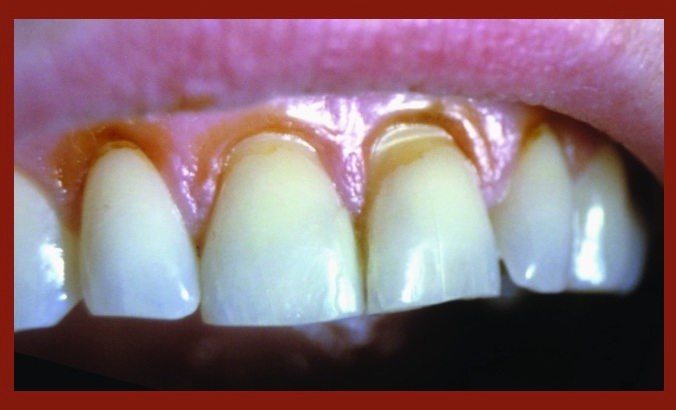
Abfraction of teeth is a silent but significant dental problem that often leaves people with sensitive, notched, or weakened teeth—sometimes without them ever realizing the cause. If you’ve ever noticed a wedge-shaped notch near your gums, or if you’re struggling with unexplained tooth sensitivity, you may be dealing with abfraction.
Understanding Abfraction of Teeth
What Is Abfraction? The Abfraction Meaning Explained
Abfraction is a non-carious dental condition characterized by a wedge-shaped, V-shaped lesion, typically found at the cervical margin (the area near the gumline) of the teeth. What makes abfraction lesions different from cavities or decay is that they result not from bacterial action but from excessive mechanical stress on the tooth.
The Science Behind Abfraction:
Stress from biting, chewing, teeth grinding (attrition), or poor alignment causes microscopic bending of teeth. Over time, this flexing leads to loss of enamel and dentin precisely at the thinnest and most vulnerable part–the gumline. The result? Abfraction teeth with visible notches, increased sensitivity, and sometimes weakened tooth structure prone to fracture.
Non Carious Lesions: Where Abfraction Fits In
Dentists classify several types of non carious lesions:
- Abfraction: Loss due to flexural stress
- Abrasion: Wear from external friction, typically from brushing or abrasive habits
- Erosion: Loss from acid attack (diet, reflux, etc.)
- Attrition: Tooth-to-tooth wear, usually from grinding (dental attrition)
A key focus at Dental Park Ghaziabad is distinguishing these, as effective treatment depends on accurate diagnosis.
Abfraction vs Abrasion vs Erosion: The Key Differences
Abfraction vs Abrasion: Not All Tooth Notches Are Equal
Patients often confuse abfraction with abrasion or erosion dental lesions because they can look similar. However, recognizing the difference between abrasion and abfraction is essential for correct treatment.
Abfraction vs Abrasion vs Erosion vs Attrition
Type | Cause | Appearance | Common Location | Key Features |
Abfraction | Micro-flexures, occlusal stresses | V-shaped, wedge at gumline | Buccal/cervical area | Non-carious, linked to bite stress |
Abrasion | Mechanical friction (brushing, habits) | Flat, smooth, shallow grooves | Near gums or crowns | Non-carious, from external source |
Erosion | Chemical (acidic foods/drinks, reflux) | Rounded, scooped-out lesions | All surfaces, esp. enamel | Loss of enamel, pitted effect |
Attrition | Tooth-to-tooth contact (grinding) | Flattened biting surfaces | Occlusal/incisal edges | Wear facets, often both arches |
Summary:
- Abfraction: Force-driven, internal bending stress; not from external brushing.
- Abrasion: Actually from excessive tooth brushing or foreign objects.
- Erosion: Due to acids, not force or abrasion.
- Attrition: Tooth-on-tooth wear.
What Causes Abfraction? (And How Can You Prevent It?)
Main Causes of Abfraction
- Occlusal Trauma & Bad Bite
When upper and lower teeth don’t meet properly, it causes picking up of abnormal forces. Tooth flexure becomes inevitable, resulting in cervical abfraction.
- Parafunctional Habits
Clenching, night-time grinding (bruxism), or habitually biting pens creates enormous torque and uneven load on individual teeth. Over time, this micro-flexing results in micro-cracks – which can eventually become full-blown abfraction lesions.
- Faulty Dental Work
Old fillings, crowns, or bridges that interfere with a smooth bite can direct stress in unnatural directions, hastening the process.
- Aging and Gum Recession
Aging gums may pull away, exposing more vulnerable parts of the tooth that succumb more easily to stress.
Secondary or Indirect Causes
- High-acid diet causing tooth erosion, thinning out protective enamel
- Poor oral hygiene or improper technique, leading to tooth abrasion
- Underlying genetic predispositions
Diagnosing Abfraction Teeth at Dental Park
Why Choose Dental Park - Dental & Maxillofacial Centre?
At Dental Park Ghaziabad, the diagnostic protocol is thorough and evidence-based, reflecting their commitment to excellence. Their specialists routinely distinguish between abfraction, abrasion, attrition, and erosion.
Patient Examination Includes:
- Comprehensive dental history and risk assessment (parafunctional habits, dietary patterns, bruxism)
- Intra-oral photos and magnification cameras to reveal even the smallest abfraction lesions
- Bite analysis to spot occlusal interferences
- Sensitivity tests to confirm pulpal health
- Consultation on Cashless Dental Treatment available in Dental Park under various schemes i.e. CGHS, CAPF, Pandit Deen Dayal Rajya Karamchari Cashless Treatment for Uttar Pradesh Government Employees etc
Typical Signs & Symptoms at Dental Park Ghaziabad
- V-shaped notches at the neck of teeth (most visible on front teeth or canines)
- Dentin hypersensitivity (pain with cold, heat, or sweets)
- Gum recession near the affected area
- Sometimes visible as “grooves” just above the gum margin
Abfraction Treatment: Options at Dental Park
No two patients are the same; that’s why abfraction treatment at Dental Park is always customized. Treatment planning addresses both the tooth abfraction lesions and the underlying causes, ensuring long-term results.
Monitoring and Prevention
- For minor, non-progressive abfraction teeth, your dentist may recommend just regular monitoring, especially if the lesion doesn’t cause sensitivity or threaten structural integrity.
Non-invasive Management
- Desensitizing toothpaste: For minor sensitivity, prescription pastes provide relief and prevent further abrasion.
- Bite guards / Occlusal splints: Suitable for bruxers to distribute bite force evenly and shield against further attrition abrasion erosion abfraction.
- Counseling: Guidance on proper brushing technique to prevent tooth abrasion.
Abfraction Filling / Tooth Abfraction Treatment
- For deeper or actively progressing abfraction lesions, abfraction filling with composite resin, glass ionomer, or resin-modified glass ionomer is recommended.
- These materials restore the natural contour and protect exposed dentin, alleviating tooth sensitivity and preventing further tooth lesion progression.
Advanced Restorative and Surgical Solutions
- Cervical abfraction restoration for extensive cases: Sometimes, combined restorative and periodontal (gum) surgery is recommended for severe gum recession or deep defects.
Money-Saving Solutions with Cashless Schemes:
- Cashless Dental Treatment available in Dental Park under various schemes makes all these procedures affordable for CGHS, CAPF, and subsidized rates for Pandit Deen Dayal Rajya Karamchari, and other government employees.
Tooth Abfraction Repair Cost
Repair cost depends on the number of affected teeth, materials used, and scheme eligibility. Dental Park Ghaziabad ensures transparent pricing and helps maximize insurance or cashless benefits.
Typical Abfraction Repair Cost Includes:
- Examination & diagnostic imaging
- Material cost (composite/GI restorations)
- Chair time for each filling
- Additional cost for nightguards or splints
Pros and Cons of Abfraction Treatments
Pros
- Minimally invasive: Non-surgical, quick procedures with little discomfort
- Aesthetically pleasing: Modern materials blend seamlessly with natural teeth
- Stops further damage: Protects against advancing lesions and root decay
- Improves comfort: Immediate relief from tooth sensitivity
- Affordable: Especially with cashless coverage for eligible patients at Dental Park
Cons
- Filling Longevity: Fillings typically need replacement every 5-10 years
- Does not treat cause: Splints or fillings alone may not stop lesion progression if bruxism is untreated
- Requires compliance: Nightguard/occlusal splints need to be worn as advised
- May need multidisciplinary care: Severe cases may require periodontal work (gum surgery)
Real-Life Experiences: Success Stories from Dental Park Ghaziabad
Case A: Pandit Deen Dayal Rajya Karamchari Beneficiary
A 38-year-old Uttar Pradesh government employee visited Dental Park under the Pandit Deen Dayal Rajya Karamchari Cashless Treatment scheme with cold sensitivity and visible notches on her lower canines. Careful evaluation pointed to abfraction lesions caused by a poorly balanced bite.
Treatment:
- Bite adjustment and fitting of a nightguard
- Abfraction filling with resin-modified glass ionomer
- Advice on gentle brushing
Outcome:
Within weeks, her sensitivity vanished, and the aesthetic improvement boosted her confidence. Treatment was done at CGHS rates and patient was able to get the entire amount reimbursed.
Case B: CAPF Scheme – No More Pain, No More Stress
A 52-year-old CRPF jawan, eligible for the CAPF scheme, showed multiple attrition, abrasion, and abfraction lesions due to years of bruxism. The Dental Park – Dental & Maxillofacial Centre team developed a comprehensive plan:
- Custom occlusal splint to manage grinding
- Restoration of all abfraction lesions and tooth abrasion defects
- Coaching in stress reduction and oral hygiene
His treatment was painless, quick, and virtually free, courtesy of cashless arrangements at Dental Park Ghaziabad.
FAQs About Abfraction
What is the main difference between abfraction and abrasion?
Abfraction is a structural problem from within the tooth—resulting from flexure due to biting forces. Abrasion occurs externally and is caused by mechanical wear (i.e., hard tooth brushing).
How can I tell if I have abfraction lesions?
Look for V-shaped notches at the gumline—often with associated sensitivity. Only your dentist can confirm if they are abfraction, abrasion, or erosion. Book a professional exam at Dental Park.
Are abfraction teeth dangerous?
If untreated, abfraction teeth may become more sensitive, be at risk of root cavity, or even fracture. Early intervention is best.
How is tooth abfraction repair done at Dental Park Ghaziabad?
After diagnosis, your Dental Park dentist will recommend the best material (usually tooth-colored composite or GI) for restoration. The process is quick and minimally invasive.
Is cashless dental treatment available for abfraction treatment?
Yes! Cashless Dental Treatment available in Dental Park under various schemes (CGHS, CAPF) makes access to high-quality dental care fast, affordable, and hassle-free.
What’s the expected tooth abfraction repair cost?
Pricing depends on extent and number of teeth. Most government scheme beneficiaries pay little or nothing out of pocket at Dental Park.
How Dental Park Ghaziabad Aligns With Best Standards in Dentistry
Expertise: Dental Park’s team includes certified dentists, periodontists, and maxillofacial surgeons.
Experience: Years of successfully managing non-carious lesions across patient populations.
Authoritativeness: The clinic is ISO 9001:2015 accredited and NABH-certified.
Trustworthiness: Transparent pricing, clear explanations, and ethical practices.
Dental Park’s patient-first approach means you receive the best, most current care for complex cases like attrition abrasion erosion abfraction.
Don’t Wait – Protect Your Smile Against Abfraction Now!
Abfraction of teeth can undermine your oral health for years before you even notice a problem. The key is early diagnosis, personalized abfraction treatment, and regular dental visits. Leading facilities like Dental Park – Dental & Maxillofacial Centre offer diagnostics and modern therapies tailored to your needs, with the added benefit of cashless dental treatment for eligible patients in Uttar Pradesh and beyond.
Quick Reference: Glossary
- Abfraction: Non-carious cervical tooth lesion from mechanical flexure
- Abrasion: Wear from friction (brushing/habits)
- Attrition: Wear from tooth-on-tooth contact
- Erosion dental: Tooth loss from acids, non-mechanical
- Non carious lesions: Tooth loss not involving bacteria or decay
- Abfraction filling: Rebuilding lost structure with composite or GI
- Cashless Dental Treatment: No up-front payment for scheme beneficiaries