
- 9557330403
- [email protected]
- SD 375, D Block, Shastri Nagar Ghaziabad, Uttar Pradesh, India

- 9557330403
- [email protected]
- SD 375, D Block, Shastri Nagar Ghaziabad, Uttar Pradesh, India
For over 150 years, the “silver filling” was the cornerstone of restorative dentistry. If you open the mouth of almost any adult today, chances are you will see at least one dark, metallic restoration glinting in the back molars. This material, known scientifically as dental amalgam, has sparked more debate, clinical research, and regulatory shifts than perhaps any other substance in medical history.
As we move further into the 21st century, the dental landscape is shifting. At Dental Park, we believe that an informed patient is a healthy patient. This article explores the history, science, and eventual decline of silver amalgam, helping you understand why modern dentistry is moving toward more advanced alternatives.
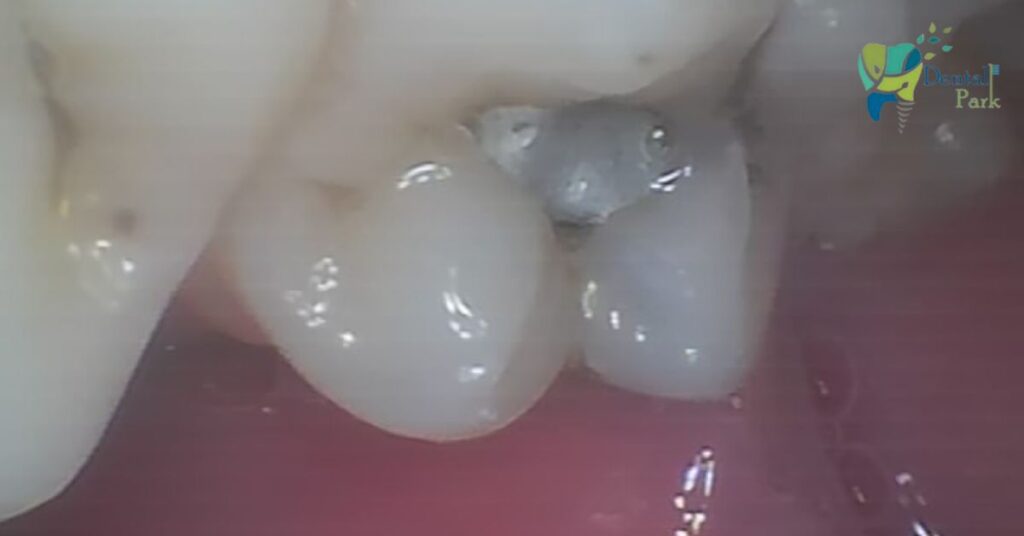
The story of dental amalgam begins in early 19th-century France. Before its invention, the options for treating a cavity were bleak: one could use expensive gold foil, which required immense skill and time to hammer into place, or simply extract the tooth.
In the 1820s, pioneers began mixing silver coin filings with mercury to create a “paste” that was soft enough to be packed into a tooth but would harden into a durable solid. By the 1830s, the material reached the United States, brought by the Crawcour brothers. It was marketed as “Royal Mineral Succedaneum,” a cheaper and easier alternative to gold.
However, its introduction was not without controversy. This led to the “Amalgam War” within the dental profession. The American Society of Dental Surgeons (ASDS) actually suspended members for using amalgam, fearing mercury poisoning. Despite these early ethical battles, the material’s convenience and low cost eventually won over the profession. By the late 1800s, refinements in the formula—adding tin, copper, and zinc—made it a reliable, long-lasting standard of care.
Despite being called “silver” fillings, dental amalgam is actually an alloy of several metals. The typical composition of modern high-copper amalgam includes:
It is impossible to dismiss amalgam entirely, as its longevity is a testament to its physical properties. Its primary advantages include:
Despite its strength, silver amalgam has significant drawbacks that have led to its falling out of favor:
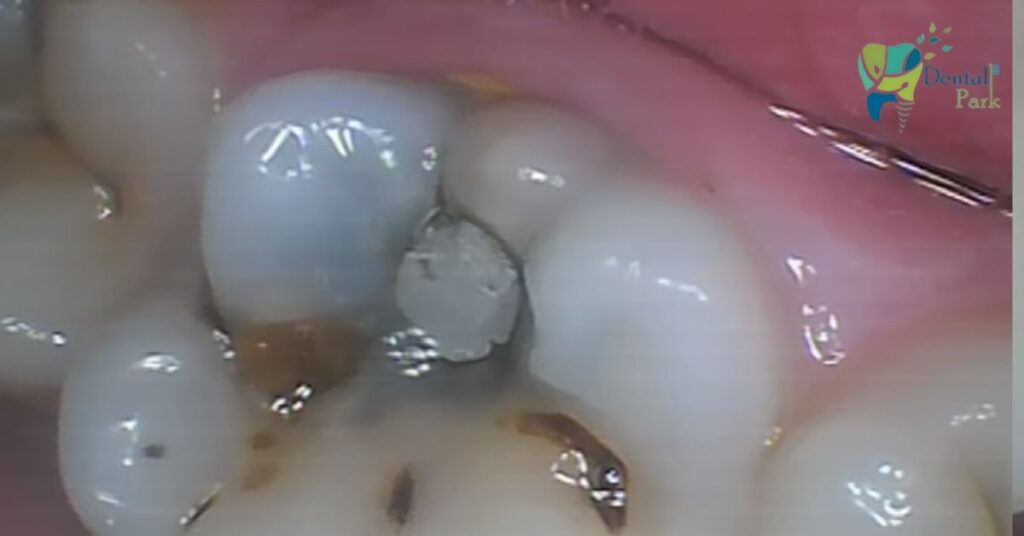
While the mercury in dental amalgam is “bound” within the alloy once hardened, the process of placing and removing these fillings requires precision. If not handled properly, several issues can arise:
Feature | Silver Amalgam | Composite Resin (Tooth-Colored) |
Appearance | Dark metallic/Black | Matches natural tooth color |
Bonding | Mechanical (requires more drilling) | Chemical (bonds to tooth) |
Strength | Very high (compressive) | High (improving with nanotechnology) |
Mercury Content | Approximately 50% | Zero |
Durability | 10–15+ years | 7–10 years (improving) |
Sensitivity | Common (metal conducts heat) | Less common (insulating properties) |
While amalgam was once the only choice for strength, modern nano-hybrid composites have bridged the gap, offering sufficient strength for back teeth while maintaining a beautiful appearance.
The decline of silver amalgam isn’t just a matter of “better looks.” It is driven by global environmental policy.
In 2013, the Minamata Convention on Mercury was adopted. This global treaty aims to protect human health and the environment from anthropogenic emissions and releases of mercury. Because dental offices are a significant source of mercury in wastewater, the convention called for a “phase-down” of dental amalgam use.
Many governments have implemented strict regulations:
The financial landscape of dentistry has also changed. While amalgam is cheaper upfront, the “long-term cost” can be higher. Because amalgam often leads to cracked teeth in the long run, a patient might eventually need a more expensive crown or a root canal.
Environmentally, the cost of disposing of mercury waste has risen. Dental clinics must now install specialized “amalgam separators” to catch metal scraps before they enter the city’s water system. These overhead costs, combined with the increasing patient demand for “mercury-free” dentistry, have made amalgam less attractive for modern practices.
At Dental Park – Dental & Maxillofacial Centre, we prioritize your long-term health and the esthetic beauty of your smile. We recognize that while silver amalgam served a purpose in the history of dentistry, the future belongs to bio-compatible, adhesive materials.
Our team of experts utilizes the latest composite restoration materials from world-renowned dental manufacturers like 3M and Ivoclar. These modern resins offer several distinct advantages for our patients:
While dental amalgam has been used for over 150 years and is considered safe by many traditional standards, modern research and global health organizations like the WHO now recommend a "phase-down" of its use. This is primarily due to environmental concerns regarding mercury and the superior benefits of modern, mercury-free composite materials that bond directly to the tooth.
Composite restorations (tooth-colored fillings) are preferred today because they are more conservative—requiring less removal of healthy tooth structure. Unlike metal, composites bond chemically to the enamel, strengthening the tooth and providing a natural, invisible appearance that doesn't darken or tarnish over time.
Yes, it is common. Metal expands and contracts with temperature changes (hot and cold food). Over many years, this constant "wedging" effect can put pressure on the natural tooth walls, often leading to micro-fractures or deep cracks that may eventually require a dental crown or root canal treatment.
With high-quality materials from brands like 3M and Ivoclar, modern composite fillings are incredibly durable. While silver amalgam was known for its longevity (10-15 years), today’s nano-hybrid composites offer comparable strength and can last a decade or more with proper oral hygiene and regular checkups at Dental Park.
Not at all. At Dental Park, we use specialized high-volume suction and cooling techniques to safely remove old amalgam fillings while ensuring patient comfort. Replacing an old, leaky metal filling with a fresh composite restoration often resolves sensitivity and prevents further decay.