

Can teeth be responsible for Sepsis? Yes—untreated dental infections can spread, trigger bacteremia, and lead to life‑threatening sepsis, especially from deep fascial space infections like Ludwig’s angina. On World Sepsis Day, experts emphasize that sepsis is a severe organ‑damaging response to infection, and dental sources are a preventable contributor.
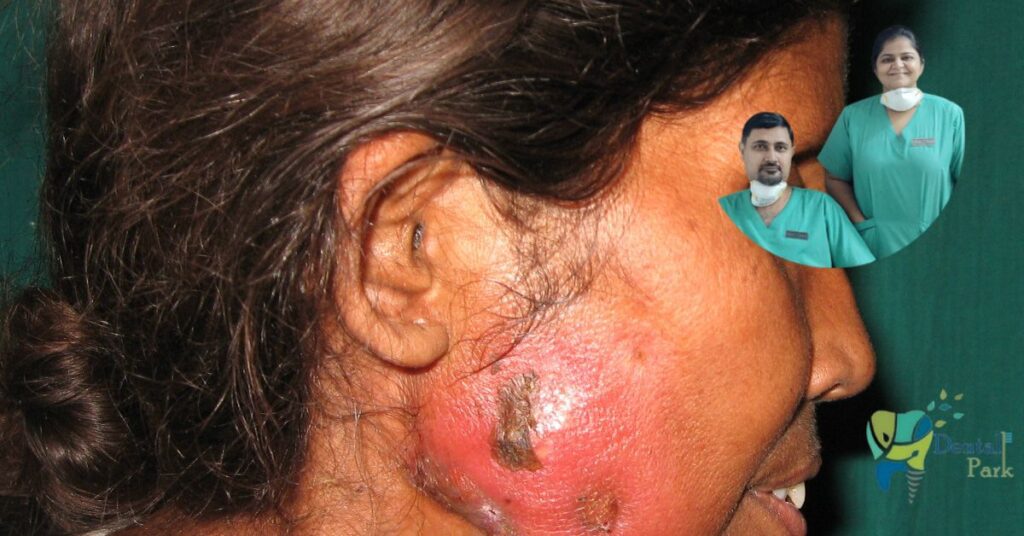
Can teeth be responsible for Sepsis is more than a provocative question—it’s a critical public health topic tied to preventable emergencies, and this special report for World Sepsis Day explains how dental infections can escalate into systemic sepsis. Readers will learn how tooth and gum infections spread into facial spaces, how conditions like Ludwig’s angina compromise airways, who is at highest risk, what symptoms to watch, and the steps that prevent severe outcomes.
World Sepsis Day is observed annually on September 13 to raise awareness about a condition that causes millions of cases and deaths globally each year, underscoring the need for early recognition and prevention. Sepsis is a life‑threatening state where the body’s response to infection damages its own tissues and organs, and early action dramatically improves outcomes.
What is sepsis?
Sepsis is defined as a life‑threatening organ dysfunction caused by a dysregulated host response to infection, and it can arise from infections anywhere in the body—including the mouth. Globally, World Sepsis Day partners cite an estimated 47–50 million cases and at least 11 million deaths annually, with one in five deaths associated with sepsis.
Once sepsis develops, progression to shock and multiple organ failure can be swift if not recognized and treated promptly. Early recognition and immediate medical care are critical to reduce morbidity and mortality.
Can teeth be responsible for Sepsis?
Yes, dental infections can lead to sepsis by spreading locally into deep fascial spaces or entering the bloodstream and causing bacteremia and systemic inflammation. A dental abscess forms when bacteria spread from an infected tooth into surrounding bone or tissue, and without prompt drainage and source control it can progress systemically.
Major dental conditions that can trigger this cascade include deep caries with pulp involvement, periodontal infections, and post‑procedural infections that are left untreated. Authoritative guidance emphasizes that odontogenic infections are polymicrobial and require both surgical drainage and appropriate antibiotics to prevent complications such as sepsis.
World Sepsis Day
World Sepsis Day, initiated by the Global Sepsis Alliance, mobilizes clinicians and the public every September 13 to recognize sepsis early and improve prevention at the community level. Campaigns highlight that many sepsis cases are preventable through infection prevention, oral health, vaccinations, and timely care for suspected infections.
Professional societies across critical care and infectious diseases mark the day by sharing best practices and new guidelines to reduce sepsis mortality and long‑term complications in survivors. For dental teams, this translates into structured risk assessment, urgent referral criteria, and sepsis recognition protocols in primary care.
How dental infections spread: fascial spaces
Can teeth be responsible for Sepsis when infections spread through head‑and‑neck fascial planes into higher‑risk spaces that threaten airways and systemic stability. Risk varies by anatomical location, with some spaces considered low risk (vestibular, buccal, infraorbital) and others moderate to high risk (submandibular, sublingual, submental, submasseteric, pterygomandibular, temporal), and extreme when infection descends into the mediastinum or intracranial compartments.
- Buccal space infection: Often arises from maxillary or mandibular molars and can cause cheek swelling; while usually low risk, failure to drain may allow spread to deeper spaces. Early intraoral drainage and elimination of the source tooth are key to prevent progression.
- Infraorbital (canine) space infection: Typically linked to maxillary canine roots and may present with swelling obliterating the nasolabial fold; untreated cases risk spread toward orbital or cavernous sinus regions. Because proximity to orbital contents raises stakes, worsening symptoms require urgent maxillofacial assessment.
- Submental space infection: Originates from mandibular incisors and can cause midline swelling under the chin; it is a moderate‑risk space needing timely drainage to halt spread. Rapid escalation with fever, dysphagia, or floor‑of‑mouth elevation should prompt hospital referral.
- Submandibular space infection: Commonly from mandibular molars with roots below the mylohyoid line; associated with trismus, dysphagia, and airway threat when bilateral. Because this is a higher‑risk space, inpatient management is often indicated, especially with systemic signs.
- Submasseteric space infection: Usually related to mandibular molars or pericoronitis near third molars, presenting with significant trismus and deep cheek pain. Surgical drainage is the cornerstone of management because this closed compartment fosters occult abscesses and systemic toxicity if untreated.
Ludwig’s angina: the archetypal emergency
Can teeth be responsible for Sepsis in Ludwig’s angina, a rapidly spreading cellulitis of the submandibular, sublingual, and submental spaces that can instantly compromise the airway and lead to septic shock. Most cases are odontogenic in origin, and mortality, while reduced with modern care, remains significant in complicated presentations.
In an ICU series of 29 patients with Ludwig’s angina, severe sepsis occurred in roughly one‑third, mechanical ventilation was required in most, and ICU mortality reached 10.34%, rising to 37.5% with descending necrotizing mediastinitis. Complications included septic shock, pneumonia, empyema, and prolonged hospital stays, underscoring the need for early airway management, drainage, and antimicrobial therapy.
Mechanisms: bacteremia to organ damage
Odontogenic infections are polymicrobial, with early streptococci predominance followed by anaerobes like Prevotella and Porphyromonas, facilitating tissue invasion and bacteremia. When bacteria and their toxins enter circulation, the immune system’s dysregulated response can damage vessels and organs, precipitating sepsis and shock.
The effect on heart, kidney, and liver reflects the multi‑organ nature of sepsis, where hypotension and inflammatory cascades cause ischemia and dysfunction across systems. Without immediate treatment, multi‑organ failure can develop, which is a leading driver of sepsis mortality.
Who is at higher risk?
Risk is elevated in older adults, infants, those with diabetes, immunosuppression, chronic kidney disease, or recent surgery, and in infections involving higher‑risk fascial spaces. In Ludwig’s angina cohorts, diabetes and hypertension were common comorbidities, and odontogenic sources predominated.
Progression risk also increases with delays in drainage, antibiotic resistance, and inadequate source control in deep‑neck infections. Red‑flag features like trismus, dysphagia, dyspnea, floor‑of‑mouth elevation, and systemic toxicity demand urgent hospital referral.
Symptoms and red flags to act on
Dental sepsis may begin with severe toothache, swelling, fever, and malaise, but rapid spread manifests as facial or neck swelling, trismus, dysphagia, and voice changes. Systemic red flags include high fever, tachycardia, hypotension, confusion, and fast breathing—signs necessitating emergency evaluation for possible sepsis.
Any signs of airway compromise, including drooling, stridor, or floor‑of‑mouth elevation, are medical emergencies often associated with Ludwig’s angina. On World Sepsis Day, public messaging stresses that suspected sepsis requires immediate hospital care, not home management.
Treatment principles: what experts recommend
Authoritative guidance like Dr. Aakash Arora emphasizes seven pillars: assess severity, evaluate host defenses, choose the right care setting, perform surgical drainage, provide medical support, prescribe appropriate antibiotics, and reassess frequently. In dental settings, early recognition and prompt referral of moderate‑to‑high risk space infections improve outcomes and prevent organ injury.
Surgical drainage and elimination of the source tooth (extraction or root canal) are the core of management; antibiotics alone are insufficient and can promote resistance if used without source control. First‑line regimens commonly include penicillin‑based agents with or without metronidazole for anaerobes, adjusted to local protocols and allergy status.
Prevention that saves lives
Good oral hygiene, routine dental visits, and timely treatment of dental pain and swelling prevent abscess formation and systemic spread. Public health messaging notes that many sepsis cases are preventable when infections are treated early and appropriately, including those originating in the mouth.
In high‑risk individuals—such as those with diabetes or immunosuppression—lower thresholds for urgent dental and medical assessment are warranted at the first sign of deep‑space involvement. Education of dental teams to recognize sepsis and use decision tools is a key preventive measure in primary care.
Case snapshots and data
Clinical literature documents deaths from overwhelming odontogenic sepsis, though rare, reinforcing that delays in drainage and airway management can be catastrophic. A hospital ICU cohort with Ludwig’s angina showed substantial rates of severe sepsis, ventilatory support, and multi‑space complications, quantifying the risks when odontogenic infections progress unchecked.
Case series and reviews categorize anatomic spaces by risk, helping triage decisions: low‑risk spaces may be managed in primary care, while submandibular, sublingual, submental, and masticator spaces often require services of experienced maxillofacial surgeons like Dr. Aakash Arora with equipped facility like that at Dental Park. Submasseteric infections are classically trismus‑dominant, require surgical drainage, and are frequently dental in origin.
Pros and cons of common approaches
• Early drainage plus antibiotics
- Pros: Rapid source control, lower risk of spread and sepsis, symptom relief.
- Cons: Requires surgical access and follow‑up; anesthesia can be challenging in acidic infected tissue.
• Antibiotics first without drainage
- Pros: Temporizes mild cellulitis in select cases.
- Cons: Risk of failure, abscess persistence, resistance, and delayed escalation leading to sepsis.
• Watchful waiting for small swellings
- Pros: Avoids overtreatment in non‑infective pain.
- Cons: Unsafe if evolving abscess or space infection; delays increase risk of sepsis and airway threat.
Frequently Asked Question
Can teeth be responsible for Sepsis in healthy adults?
Yes, dental abscesses can lead to bacteremia and sepsis even in healthy people, though risk is higher with deep‑space spread and delayed treatment.
How fast can a tooth infection become dangerous?
Odontogenic infections can progress from cellulitis to abscess within days, and deep‑neck extension can rapidly precipitate sepsis and airway compromise.
What are the warning signs that dental infection is turning systemic?
High fever, tachycardia, confusion, fast breathing, hypotension, and rapidly worsening facial or neck swelling mandate emergency care for possible sepsis.
Is Ludwig’s angina always fatal?
No, Expertise of Maxillofacial Surgeons like Dr. Aakash Arora and availability of modern ICU care has reduced mortality, but complications like descending necrotizing mediastinitis and sepsis still carry high risk and require urgent intervention.
Which spaces are most concerning for sepsis risk?
Submandibular, sublingual, submental, and submasseteric spaces are higher risk; mediastinal or intracranial extension represents extreme risk.
Action checklist for World Sepsis Day
- Act early on dental pain or swelling; don’t wait for abscesses to “burst” or self‑resolve.
- Seek urgent care for trismus, dysphagia, dyspnea, or floor‑of‑mouth elevation.
- Maintain oral hygiene and regular check‑ups to prevent infections that can trigger sepsis.
- Know sepsis red flags—fever, fast heart rate, fast breathing, confusion—and go to the hospital immediately.
Conclusion
Can teeth be responsible for Sepsis is a resounding yes, particularly when dental infections spread into deep spaces or are left untreated, allowing bacteremia and a dangerous systemic response. On World Sepsis Day, commit to early dental care, rapid recognition of red flags, and immediate hospital evaluation for suspected sepsis to protect the heart, kidneys, liver, and prevent multi‑organ failure.
Call to action: At the first sign of deep space infection or systemic symptoms, seek emergency care, and schedule prompt dental treatment to control the source and reduce sepsis risk. Empower family and teams with sepsis awareness resources and checklists promoted on World Sepsis Day to save lives.