Cure Tooth Decay with Nutrition — Unlocking the Body's Natural Defenses
Cure Tooth Decay with Nutrition is changing the landscape of dental prevention and healing. For decades, most people accepted cavities as an unavoidable outcome—attributed to bad genes, aging, or irrepressible bacteria. Yet, compelling evidence from pioneering research and global traditional cultures reveals a new paradigm: our diet is the critical factor in tooth health, capable not only of preventing decay but even of actively reversing it.
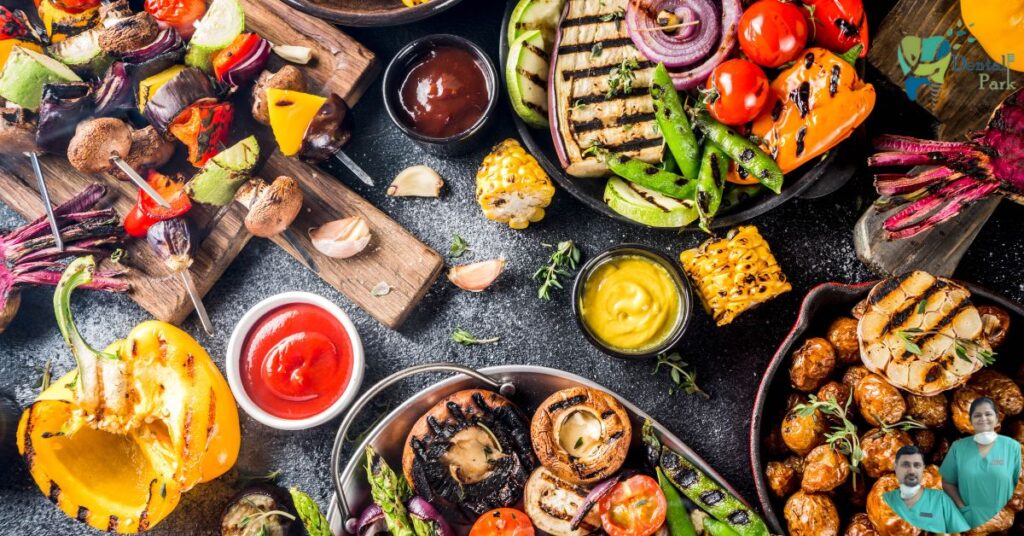
Across continents, societies untouched by processed foods displayed almost total immunity to cavities, despite a lack of modern dental care. Their diets teemed with the nutrients necessary for strong teeth and bones, offering vital protection and repair mechanisms that mainstream recommendations overlook. By contrast, communities that switched to modern foods—devoid of their ancestral nutrient density—experienced skyrocketing tooth decay and declining overall health.
This comprehensive article presents a deep, actionable blueprint based to Cure Tooth Decay with Nutrition:
- The science and evidence behind nutrition-driven dental health and tooth remineralization.
- Clear distinctions between foods that cause tooth decay and those that foster oral healing—with cultural specifics, including Indian food examples.
- Strategic food preparation and nutrient balancing practices that unlock nature’s cavity-fighting potential.
By exploring these themes in detail—grounded in science, cross-cultural insights, and practical wisdom—you will be empowered to protect your smile, potentially avoid costly dental interventions, and enjoy robust lifelong oral health.
The Science of Nutrition and Tooth Remineralization
Redefining the Root Causes of Tooth Decay
Cure Tooth Decay with Nutrition dismantles the conventional beliefs that cavities are the inevitable result of genetics, aging, or simply “bad luck.” Instead, it shows through decades of research, clinical experience, and fieldwork that the fundamental cause of tooth decay is nutritional deficiency—compounded by modern, processed diets that lack vital nutrients.
- The Germ Theory Misstep: Modern dentistry attributes decay primarily to bacteria that produce acids, eroding tooth enamel. However, research by Dr. Weston Price and others demonstrates that strong, dense teeth resist acid attack—even in the presence of bacteria. In this view, weakened tooth structure from poor nutrition comes before pathogenic bacteria dominate, not the other way around.
- Role of Tooth Density: Dense, well-nourished teeth naturally perfuse with mineral-rich fluids, strengthening them from the inside and creating a barrier to acid attack and infection. When diet disrupts the balance of minerals and hormone signaling, this defense falters.
Hormones, Glands, and the Dental Lymph System
A pivotal finding of nutritional dentistry is that the health of teeth is intimately connected to our glandular and hormone systems.
- The Parotid Gland Pathway: The hypothalamus in the brain communicates with the parotid glands (major salivary glands near the jaw) to control the flow of “dental lymph” fluid. This mineral-rich fluid travels through the dentinal tubules—tiny channels inside each tooth—delivering nutrients for repair and self-cleaning.
- Disrupted by Modern Diet: Diets heavy in sugar, processed foods, and improper ratios of calcium, phosphorus, and fat-soluble vitamins disrupt this hormonal communication. The flow of repairing fluid reverses or stalls, leading to increased vulnerability and decay.
Fat-Soluble Vitamins: The Silent Protectors
Three vitamins—A, D, and K2 (Activator X)— act as the foundation for tooth health:
- Vitamin A: Supports the formation and repair of tooth enamel and dentin, and is best supplied by grass-fed animal liver and pastured eggs.
- Vitamin D: Regulates mineralization, enabling calcium and phosphorus to be absorbed and embedded in teeth and bones. Traditional sources include wild-caught fish, fish liver oils, grass-fed butter, and sun exposure.
- Vitamin K2 (Activator X): Directs calcium to the teeth and bones, preventing its deposition in soft tissues. Found abundantly in grass-fed butter, certain cheeses, fish eggs, and organ meats.
Unlike synthetic supplements, these vitamins must come from real, whole foods to be effective, particularly in synergy with adequate dietary fats.
Evidence from Traditional Cultures
Fieldwork by Dr. Weston Price spanning the Swiss Alps, Outer Hebrides, African tribes, and Australian Aboriginals demonstrated:
- Cultures maintained near-perfect dental health on diets rich in bioavailable minerals and fat-soluble vitamins, with minimal to no dental caries.
- Once exposed to processed sugar, white flour, canned foods, and polyunsaturated vegetable oils, rates of tooth decay, gum disease, and dental deformities increased alarmingly—even within a single generation.
Blood Chemistry and Tooth Immunity
Deep analysis from Dr. Melvin Page revealed that the correct ratio of calcium to phosphorus in the bloodstream, alongside balanced blood sugar, produces immunity to tooth decay. Deviations—caused by modern foods—trigger leaching of minerals from teeth and bones, initiating “odontoporosis” (tooth weakening) and “odontoclasia” (tooth destruction).
Key Takeaway
Cure Tooth Decay with Nutrition reframes cavities as a condition rooted in mineral and vitamin deficiencies, perpetuated by modern food choices. Restoring ancestral nutrition can halt, reverse, and prevent decay by reactivating the body’s built-in repair systems.
Foods That Cause vs. Prevent Tooth Decay — An Expert Breakdown
Foods That Cause Tooth Decay
1. Processed Sugars and Sweeteners
- Culprits: White sugar, high-fructose corn syrup, agave nectar, synthetic “health” bars, candies, sodas, commercial fruit juices, sweetened teas.
- Why They Harm: Cause extreme blood sugar spikes, disrupt calcium/phosphorus balance, deplete minerals, and create mouth acidity ideal for pathogens. Excessive fructose found in processed sweeteners, and not in whole fruits, creates an especially toxic environment by disturbing mineral metabolism and fostering bacterial overgrowth.
2. Refined and Improperly Prepared Grains
- Culprits: White flour, commercial bread and noodles, instant noodles, biscuits, bakery goods, packaged cereals, “whole grain” or “sprouted grain” store-bought products, brown rice and oats unprepared.
- What’s Wrong: Modern milling strips grains of fiber, oils, vitamins, and minerals, leading to rapid blood sugar elevation and loss of tooth-building nutrients.
- Anti-Nutrient Factors: Unsoaked/unsprouted grains, nuts, seeds, and legumes retain phytic acid and lectins, which bind and make minerals (calcium, magnesium, zinc) unavailable, literally stealing resources from teeth and bones.
3. Poor-Quality Dairy, Vegetable Oils, Artificial Fats
- Culprits: Pasteurized, homogenized, and grain-fed dairy; processed low-fat dairy; hydrogenated and deodorized oils (canola, soy, corn); margarine; fried foods.
- Impact: Devoid of fat-soluble vitamins and often contain residues of toxins, GMOs, and hormones. Fail to deliver or block absorption of the nutrients teeth need.
4. Sticky, Acidic, Packaged & Fast Foods
- Culprits: Health and energy bars, commercial “granola” and muesli, potato chips, jams, dried fruits, sugar-coated cereals, sports drinks, sweetened yogurts.
- Mechanism: Stick to tooth surfaces, fueling bacteria and eroding enamel while providing no minerals for repair.
5. Overconsumption of Sweets, Including Dried Fruit
- Dried fruits (dates, raisins, figs) are highly concentrated sugars and often stick to teeth.
- “Health” drinks, sweetened smoothies, and syrups can be as harmful as processed candy.
6. Specific Indian Foods That Cause Tooth Decay
Type | Examples |
Refined Wheat | White bread, bakery biscuits, naan, pav, maida-based snacks |
Sweets | Sugar in chai, mithais—jalebi, rasgulla, peda, burfi, gulab jamun, barfi |
Packaged Foods | Ready-to-eat snacks, namkeens, processed noodles, Haldiram-type snacks |
Sticky Foods | Jaggery-based sweets (chikki, gajak), ladoo, sticky halwa |
Improper Grains | Parathas/rotis from unfermented wheat, dal/beans not soaked/sprouted |
Beverage Risks | Soft drinks, packaged fruit juice, sweet lassi and milkshakes |
Foods That Prevent and Heal Tooth Decay
1. Grass-Fed and Pasture-Raised Dairy
- Optimal Forms: Whole grass-fed raw milk, ghee, cultured yogurt, paneer, buttermilk (chhaas), lassi (unsweetened), cheese.
- Benefits: Deliver calcium, phosphorus, and fat-soluble vitamins A, D, K2, and support beneficial probiotic cultures. In India, indigenous cow/buffalo milk and homemade ghee, if from grazing animals, are especially nutrient-rich.
2. Organ Meats, Wild Seafood & Animal Fats
- Global Examples: Liver, kidney, heart, bone marrow, brains, traditional bone broths.
- Indian Examples: Brain masala, goat/lamb/chicken liver curries, fish head curry, bone-marrow soups (Nalli Nihari), fish eggs, small whole fish.
- Why: Organ meats are the densest source of vitamins and minerals in the diet; seafood provides vitamin D and omega-3s.
3. Fermented and Cultured Foods
- Global: Kefir, yogurt, sauerkraut, pickles, miso.
- Indian: Homemade dahi (curd), fermented dosas, idli batters, achaar (fermented pickles), kanji (fermented carrot drink).
- Benefit: Fermentation reduces phytic acid, boosts enzyme content, and fosters probiotic flora critical for mineral absorption.
4. Bone Broths & Mineral-Rich Soups
- Method: Slow-cooked broths using bones (preferably with joints and marrow), plus vegetables, for 12-48 hours.
- Indian Examples: Paya shorba (lamb trotters soup), mutton bone broth, chicken shorba, fish head soup.
- Benefits: Provide highly digestible minerals, collagen, and amino acids to rebuild teeth and gums.
5. Vegetables and Low-Sugar Fruits
- Powerhouse Veggies: Spinach, methi (fenugreek), mustard greens, drumstick (moringa), pumpkin, gourds, cabbage, carrots.
- Superfruits: Berries, amla (Indian gooseberry), guava.
- Synergy: Provide vitamin C and trace minerals, creating conditions that counteract anti-nutrients and aid remineralization.
6. Protective Spices, Herbs, and Probiotics
- India’s Classics: Turmeric, triphala (herbal blend), amla, ajwain seeds, curry leaves, moringa, jaggery in very small amounts.
- Herbs: Many are antibacterial/anti-inflammatory and are used in traditional oral care (e.g., neem twigs, clove oil).
7. Mindful Preparation and Traditional Cooking
- Fermenting, soaking, and proper cooking of grains, legumes, and seeds reduces harmful anti-nutrients.
- Daily dietary diversity: Including organ meats, fresh and cooked vegetables, bone broths, probiotic dairy, and traditional fats ensures a full spectrum of cavity-fighting nutrients.
Indian Foods That Prevent Tooth Decay
Type | Examples |
Fermented Foods | Idli, dosa, appam, dhokla (use naturally fermented batters) |
Traditional Dairy | Desi ghee, fresh curd (dahi), buttermilk (chhaas), homemade yogurt |
Leafy Greens | Sarson saag, palak (spinach), amaranth, methi (fenugreek), drumstick |
Bone Broth Soups | Paya (lamb trotters), mutton bones, fish head broth |
Seasonal Vegetables | Gourds, carrots, pumpkin, cabbage, local superfoods (amla, bael fruit) |
Ethical Animal Foods | Liver fry, brain masala, goat/chicken/fish liver curry, whole small fish |
Ayurvedic Additions | Triphala, turmeric, holy basil (tulsi) |
Common Pitfalls: Foods Branded “Healthy,” But Not Safe for Teeth
- Organic Processed Foods: Many “organic” packaged snacks, granola bars, cereals are still high in anti-nutrients or sugars.
- Store-bought Nut Milks and Soy Milk: Often contain added sweeteners, gums, and anti-nutritional factors.
- Unfermented Grains and Pulses: Store-bought “wholemeal” bread, unsprouted dal or chana; these block mineral absorption if not prepared traditionally.
- Supplements Overuse: Synthetic vitamins, especially A and D, cannot substitute for the complex synergy in real food.
At-a-Glance—Foods that Harm vs. Foods that Heal (with Indian Examples)
Food Type | Foods that Cause Decay | Foods that Prevent/Heal Decay |
Sugars | White, brown sugar, jaggery sweets | Minimal use of raw honey, fresh whole fruit |
Refined Wheat | Biscuits, bakery bread, white naan | Sourdough/fermented breads, millet rotis |
Convenience Snacks | Namkeens, potato chips, health bars | Roasted chana, soaked/sprouted nuts |
Improper Grains/Legumes | Unsoaked dals, rotis, beans | Fermented dosa/idli, properly cooked dals |
Commercial Dairy | Pasteurized/skim milk, processed cheese | Grass-fed raw milk, homemade ghee, curd |
Animal Proteins | Processed meats, fried cutlets | Liver curry, fish head curry, mutton soup |
Packaged Beverages | Sodas, sweet lassi, packaged juices | Buttermilk (chhaas), herbal teas |
Sweets/Desserts | Jalebi, barfi, laddu, halwa | Fruit with dahi, nut-based sweets in moderation |
Creating the Cavity-Proof Nutritional Blueprint
Key Nutritional Pillars for Tooth Health
Cure Tooth Decay with Nutrition emphasizes that healing and preventing cavities is not only about what you avoid but also about what you include and how you prepare your food.
1. Maximizing Bioavailable Minerals and Fat-Soluble Vitamins
- Build a Base of: Calcium, phosphorus, magnesium, zinc, copper, iron, provided via dairy, organ meats, seafood, leafy greens, seeds, and nuts (soaked/roasted).
- Daily Intake Recommendations (as drawn from the book and combined research):
- Calcium: 1.5g/day (milk, cheese, bone broths, leafy greens)
- Phosphorus: 2.0g/day (cheese, organ meats, eggs, fish)
- Vitamin A: 4,000–20,000 IU/day (liver, egg yolk, grass-fed butter)
- Vitamin D: 1,000–4,000 IU/day (cod liver oil, wild seafood, sun)
- Vitamin K2: From grass-fed dairy, organ meats, natto (Japanese), small fish
2. Strategic Food Preparation and Cooking Methods
- Soak, sprout, ferment, or sour grains, legumes, and nuts to neutralize phytic acid and lectins.
- Sourdough breads: Use bran- and germ-removed flours fermented for at least 16 hours.
- Broths and slow-cooked foods extract minerals from bones, joints, and vegetables, making nutrients easily absorbed.
- Combine calcium-rich foods with vitamin C sources (e.g., cheese with raw guava or amla) to enhance absorption.
3. Daily Blueprint Meal Plan (Global and Indian-Style)
Sample Day: Cavity-Fighting Menu
- Breakfast:
- Indian: 2 eggs scrambled in ghee, sautéed greens, a cup of fresh curd; or, dosa with coconut chutney and homemade ghee.
- Western: Omelet with spinach and liver, glass of raw milk, bone broth.
- Lunch:
- Indian: Bone broth soup (paya), stir-fried drumstick leaves, fermented dal, plain probiotic-rich lassi.
- Western: Beef or fish stew with marrow bones, sautéed vegetables, wholegrain fermented sourdough bread (bran/germ removed).
- Snacks:
- Roasted, pre-soaked almonds or walnuts, fresh fruit (green apple, guava), cheese cubes, vegetable sticks with homemade yogurt dip.
- Dinner:
- Indian: Goat/lamb liver curry, curd rice (parboiled rice, fermented curd), roasted pumpkin, side of pickled vegetables.
- Western: Roast chicken or oily fish, steamed vegetables in butter, small portion of root vegetables, raw sauerkraut salad.
- Throughout the Day:
- Drink bone broth, herbal teas, and avoid all commercial sweet drinks.
4. Special Focus: Tackling “Healthy” Foods That Harm
- Beware of:
- “Health” bars, organic crackers, store-bought granola laden with sugars and sticky grains.
- Fruit juices, even “unsweetened”—high in concentrated sugars and lack the fiber/nutrients of whole fruits.
- Modern packaged cereals, even if labeled “whole grain.”
- Gluten-free and vegan processed foods made from brown rice or legumes not properly prepared.
5. Traditional Wisdom: The Secret of Ancestors
- Indigenous tribes and rural communities that stuck to their traditional diets displayed almost total immunity to tooth decay. Their staples—bone broths, raw milk, blood, organ meats, fermented grains/dairies—correspond almost exactly to the foods promoted in Cure Tooth Decay with Nutrition.
- Festive exceptions, such as consuming sweets or white bread, only caused health issues when ancestral foods were crowded out of the diet.
6. Sample Indian Sub-Regional Additions
South India
- Idli (fermented rice/lentil cakes)
- Rasam (spiced, soupy broth)
- Coconut and curry leaf chutneys
North India
- Sarson ka saag (mustard greens)
- Makki ki roti (fermented corn flatbread)
- Desi ghee, paneer
West India
- Undhiyu (mixed seasonal vegetable stew)
- Chhaas (spiced buttermilk)
- Jowar/bajra (millet) rotis, sprouted lentils
East India
- Fish head curries
- Fermented bamboo shoots, leafy greens
- Rice with fermented or soaked lentils
7. Beyond Food: Supporting Factors for Healing
- Lifestyle: Manage stress, which can suppress oral immunity.
- Oral Hygiene: Use soft brushes, herbal rinses (triphala, neem), avoid aggressive chemical mouthwashes, try oil pulling.
- Supplements? Only as a last resort and then only as food-derived options (e.g., fermented cod liver oil).
Advanced: Addressing Common Challenges and Myths
What if You’re Vegetarian?
- Focus on dairy (raw, grass-fed if possible), eggs, probiotic yogurt, fermented grains, mineral-rich vegetable broths, and well-prepared dals.
- Use high-vitamin butter oil, ghee, green drinks, and liver as possible (or mushroom/liver alternatives).
- Use soaked/sprouted nuts/seeds and increase green leafy vegetable consumption for added mineral density.
What If You’re Vegan?
- Obtain minerals from seaweeds, leafy greens, properly prepared beans and pulses, and fermented plant foods.
- Use coconut oil, red palm oil (vitamin A), and focus on diversity.
- Be particularly vigilant about phytic acid/lectin content and food preparation.
What If You Crave Sugar or Processed Foods?
- Gradually replace sugars with fruit (eat with fat/protein to minimize blood sugar spikes).
- Ensure sufficient dietary fat and protein to dampen cravings.
- Use raw honey or maple syrup sparingly on special occasions.
Overcoming Modern Barriers
- Urban living, food cost, and time challenges require planning ahead.
- Join local food co-ops, support organic/local farmers especially for ghee, fresh milk, eggs, and vegetables.
- Collaborate with family to batch-cook bone broths and ferment batters for the week.
Conclusion: Take Charge—Cure Tooth Decay with Nutrition for Life
Cure Tooth Decay with Nutrition breaks the cycle of dependence on invasive dental care and transient surface treatments. Instead, it delivers hope—empowering you with ancestral wisdom, modern nutritional science, and practical strategies that can transform not only your oral health but your vitality and resilience.
Key Takeaways:
- Cavities are not inevitable—they result from modern dietary deficiencies and improper food preparation.
- Processed sugars, refined flours, and improperly prepared grains, seeds, and legumes are main culprits; by removing them, you halt decay’s primary causes.
- Raw, grass-fed dairy, organ meats, wild fish, bone broths, fermented and properly prepared plant foods are the basis of a cavity-proof diet.
- Indian cuisine, with its rich heritage of fermented batters, bone broths, and local superfoods, can be harnessed powerfully both to prevent and reverse decay.
- Be proactive—plan your meals, prepare your foods in line with ancestral traditions, and include a diversity of mineral- and vitamin-rich options to build lifelong immunity.
Next Steps:
Embrace these changes as a journey, not a prescription. Begin by switching out just one daily meal for a cavity-safe menu. Experiment with bone broths, new vegetable soups, simple fermented batters, and try incorporating ghee, paneer, and green drinks. Parents can choose these foods for their children, creating generations with robust, vibrant smiles.
By using food as medicine—Cure Tooth Decay with Nutrition—you reclaim agency over your oral (and total) health, minimize dental visits, and break free from the decay-drill-fill cycle.